
Helping You See All Year Round
Let’s face it, you wear glasses. Not only that but you have a vision problem, like many astigmatisms, that cannot be corrected with contact lenses. Or maybe you have dry eyes and contacts rub you raw. But summer is coming, and you don’t want to take your next beach...
Myopia (Near-sightedness)
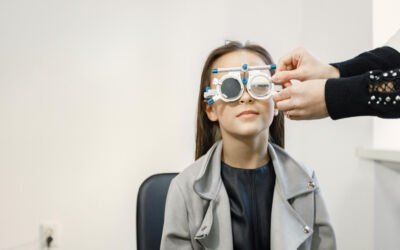
Myopia is a very common eye condition. Objects in the distance appear more blurred, while closer objects are clearer. This is because either the power of the eye is too strong, or the eye itself is too long. Either way, the image of the object you see is formed...
Hyperopia (Far-sightedness)
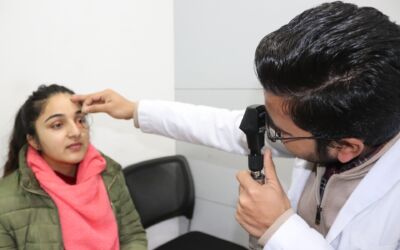
Hyperopia is another very common eye condition. Objects in the distance appear generally clearer, while closer objects are blurred. This is because either the eye is not powerful enough, or the eye itself is too short. Either way, the image of the object you see is...
Astigmatism
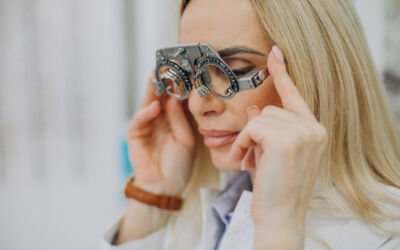
Astigmatism is an eye condition that can occur in conjunction with myopia, hyperopia, or on its own. Astigmatism occurs when the front of the eye (cornea) is not perfectly spherical (often described as ‘football shaped’). It causes the image of the...

Presbyopia
Presbyopia is caused when the eye gradually loses its ability to see objects up close. It happens to everybody from around the age of 40 and gradually continues from then on. The main reason for it occurring is that the lens in the eye becomes less flexible and harder...
Amblyopia / Lazy Eye
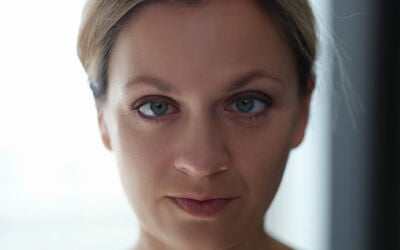
Amblyopia is when 1 eye has poorer vision than the other perhaps due to anisometropia (asymmetrical prescription), uncorrected prescription, or strabismus (eye turn) causing the connection between the eye and the brain to deteriorate. To prevent permanent vision loss...
Strabismus
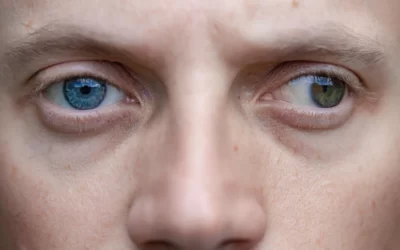
Strabismus usually starts in early childhood. This misalignment of the eye(s) either in/out/up/down should be treated to prevent amblyopia (lazy eye). Treatment includes glasses, contact lenses, prisms, vision therapy, or...
Dry eye
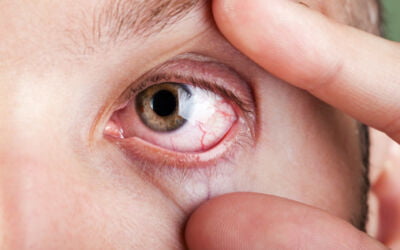
A dry eye is a condition where either the eye does not produce enough tears, or the tears do not lubricate the eyes sufficiently. This makes the eyes feel uncomfortable, gritty, burning, and sometimes makes the white of the eyes appear very red. Dry eye can affect...
Styes
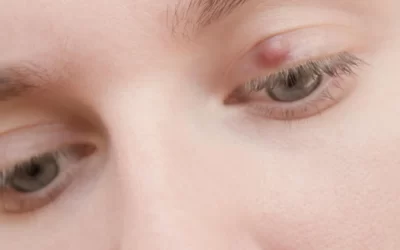
A stye is an infection on the edge of the eyelid that appears slightly red, swollen, and feels tender. Vision is not affected. Usually, styes heal on their own, however, a hot compress can help, and if recurring then antibiotic ointment can be...
Cataracts
Cataract is a term used to describe the gradual aging and cloudiness of the lens in the eye software task management. When we are born the lens is perfectly clear and supple, but as we age the lens becomes more opaque and less flexible. This has the effect of us...
Diabetes
Diabetes is caused when the body is unable to properly regulate the amount of glucose in the blood. Symptoms can be very mild and so can be very difficult to spot. Long term poor control of diabetes can affect the eyes by causing retinal blood vessels to leak. The...
Glaucoma
Glaucoma is the name given to a group of diseases which cause progressive gradual degeneration of the optic nerve and eventually blindness. Glaucoma is caused by a number of factors which can include high internal pressure of the eye, poor blood flow to the eye, over...