
by BreezeMaxWeb | May 3, 2019 | Eye Clinic Langley, Eye Doctor, Eye Exam
Many people think that deteriorating eyesight is an inevitable result of ageing but, the truth is, a healthy lifestyle can significantly reduce the chances of eye health issues. Studies have shown that certain nutrients may reduce the risk of age-related eye degeneration. The following are the best nutrient-rich foods that boost eye health: Fish Fish contain rich sources of omega-3 fatty acids. Oily fish have oil in their tissue, which means consuming them gives you higher levels of omega-3 fish oil. The most beneficial fish are anchovies, herring, mackerel, salmon, sardines and tuna. Some studies have shown that fish oil can reverse dry eye, including conditions caused by staring at screens for too long. Nuts and Legumes Also rich in omega-3 fatty acids, nuts and legumes can help protect against age-related damage and have high levels of vitamin E. Brazil nuts, cashews, lentils, peanuts and walnuts all are excellent for maintaining eye health. Seeds Similar to nuts and legumes, seeds are also a rich source of vitamin E and high in omega-3s. Seeds that have the highest content of omega-3 are chia, flax and hemp seeds. Citrus Fruits Rich in vitamin C, citrus fruits are an antioxidant that helps fight against age-related eye damage. Grapefruit, lemons and oranges are all vitamin C-rich fruits you should consume regularly. Leafy Green Vegetables Rich in both zeaxanthin and lutein, leafy green vegetables such as collards, kale and spinach are excellent sources of vitamin C. Carrots Beta carotene gives carrots its orange colour, and your body also needs this nutrient to produce vitamin A, which plays a vital role in vision health. It...
by BreezeMaxWeb | Oct 23, 2018 | Eye Exam, Eyeglasses Langley
Not every pair of eyeglasses will look good on every person, and everyone who wears glasses has experienced being besotted by a pair of frames on display only to put them on and wonder why on earth you thought they were great to start with. Depending on your face shape and your colouring, different glasses will look best on you. If you are looking for a pair of glasses and aren’t sure where to begin, then read through our list of tips to help figure out what glasses will work best for you and compliment your features. Face Shape When you buy a pair of glasses, the goal is to balance your features. There are eight primary face shapes, and you most likely have one of them: Oval Rectangle Heart-shaped Square Diamond Round Triangle Oval Oval faces are “ideal” for glasses in that they are balanced. You will be able to get away with almost all glasses types and have them suit your face well. If you do have an oval face, more rounded styles or lemon-shaped styles can make your face appear round, so you may want to stay away from them. Rectangle Rectangular faces are balanced but can appear wide and sometimes quite angular. If you would like to soften your features then rounded, classic way-frames or browline frames will soften your features and way-frames and browline glasses will pull attention towards your eyes. Heart-shaped Heart-shaped faces are wide on the top third and narrow on the bottom third (they are sometimes called an inverse-triangle). Glasses tend to pull attention to the top of the face, which...
by BreezeMaxWeb | Jun 25, 2016 | Eye Doctor, Eye Exam
We all have long lists of things we need to do in order to stay healthy. We visit the dentist twice a year, take multivitamins every morning, commit to exercise routines and nutritious diets, and much more. With so much to constantly think about, it can be too easy to let certain things slip through the cracks, especially seeing your optometrist on a regular basis. Typically, it is recommended that you get an eye exam at least once a year, especially if you’re over the age of forty or are a contact lens wearer. Keep reading to discover the importance of having regular eye exams. The Importance of Regular Eye Exams Accurate Prescription When you consider the purpose of an eye exam, your first thought is likely to get an accurate prescription to improve your poor vision, and this is definitely an important aspect of an appointment with your optometrist. Only a professional optometrist is going to be able to provide you with an accurate prescription, whether you suffer from nearsightedness, farsightedness, or astigmatism. Check for Common Eye Conditions Besides the obvious purpose of providing patients with accurate prescriptions, optometrists also check your eyes for other common eye conditions. During your eye exam, your optometrist will be keeping an eye out for the signs of the following conditions. Cataracts The lenses in your eyes are made up of water and proteins, which allow light to pass through and create a clear image. These proteins can begin to clump together over time (this is a common effect of aging), causing part of the lens to cloud over. These clumps of...
by BreezeMaxWeb | Jun 16, 2016 | Eye Exam
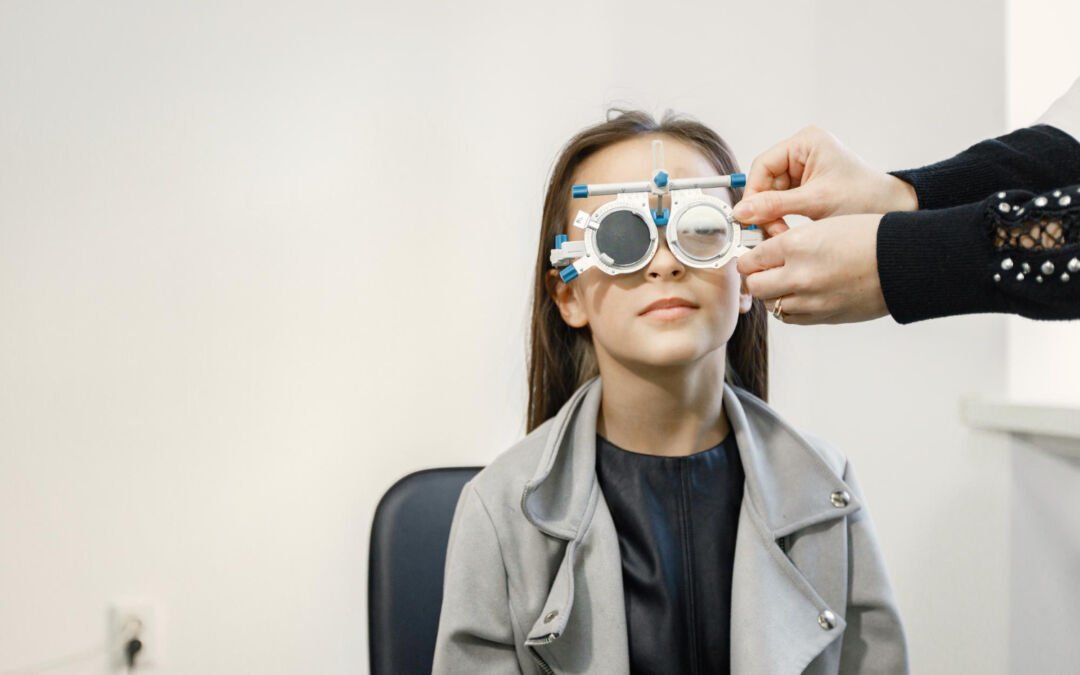
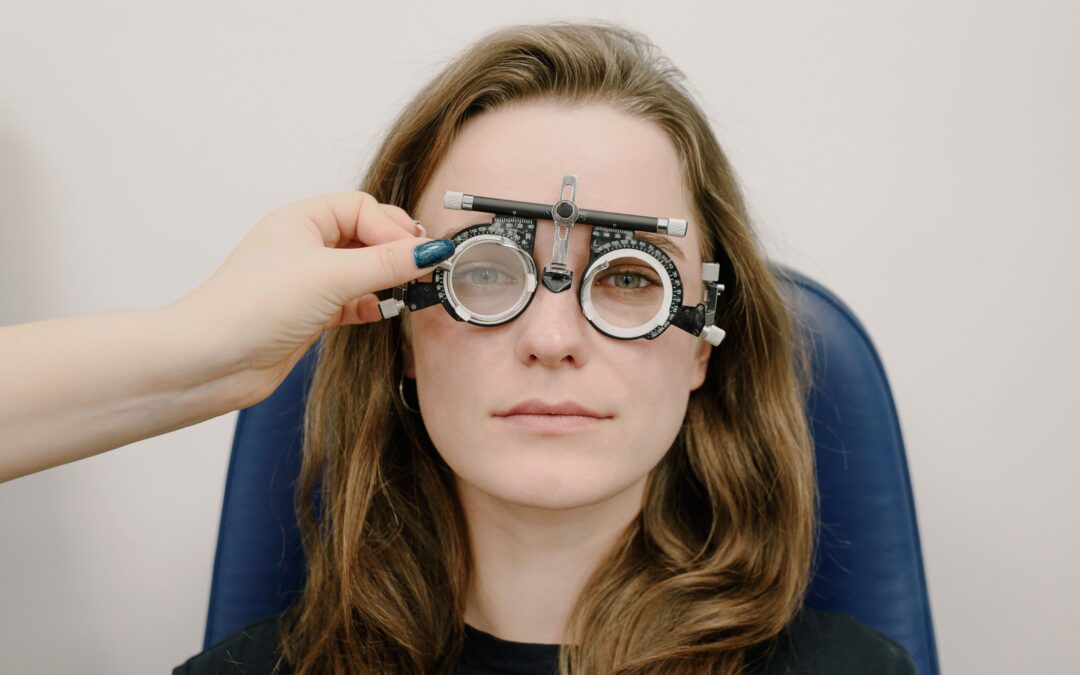
At Vision Care Centre of Langley, we know that having an eye exam can be a cause of stress for many people. That’s why we’d like to provide you with a short overview of what you can expect during your visit to the eye clinic. We’ve previously discussed the steps you can take before your eye exam that will help to lower your stress as you make a visit to the eye clinic. Today, we would like to focus on what actually happens during an eye exam. Oftentimes a glaucoma test is necessary. Instead of the air puff test (which everyone dreads), we use applanation tonometry, which is the gold standard to measure your intraocular pressure. Occasionally, the optometrist will check your peripheral vision. The doctor will also generally perform a test in which one eye at a time is covered, allowing him or her to observe how your eyes move together. Many people often think of the test in which your eye doctor will flip through various lenses in order to determine which, if any, prescription is required for you. Dilation of your eyes may also be needed. An eye drop is put in your eyes in order to dilate your pupils and perform this test. Sometimes other procedures will be necessary and your doctor will discuss these tests with you if you require them. If you have questions on these or any other procedures you might encounter during an eye exam, please feel free to contact us and we’d be happy to go over the basics of an eye...
by BreezeMaxWeb | Jun 9, 2016 | Eye Doctor, Eye Exam
If you’re nervous about going in for an eye exam, we’ve got good news for you- you’re not alone! Millions of people around the world suffer from anxiety over taking a trip to the eye clinic. Making sure that you regularly schedule an eye exam for yourself is one of the more important things you can do. It’s doubly important if you have a family history with a particular eye problem. At Vision Care Centre of Langley, we know that having an eye exam can be a cause of stress for many people and that’s why we’d like to provide you with five things to keep in mind before you schedule a visit to the eye clinic. Your Pre- Eye Exam Checklist When you call to schedule an appointment for an eye exam, be sure to mention any specific problems you might be having. It can help your doctor to assess your situation and come up with some suggestions for you. If you have a current prescription for eyeglasses, be sure to write it down and bring it with you. It’s also a good idea to bring a list of any medications that you are taking with you to your appointment, so be sure to write those down also. Check with your family members to see if there is a history of any particular eye or vision issues as well. Plan accordingly for the length of time your eye exam will take; typically, eye exams last less than an hour. Schedule a visit...
by BreezeMaxWeb | Mar 30, 2016 | Eye Doctor, Eye Exam
There are many ways to help protect your vision and keep seeing the world sharp and clear. Eating healthy is one way to be proactive about your vision health. A diet full of dark, leafy greens and high in omega-3 fatty acids has been shown to help prevent macular degeneration. Taking the time to rest your eyes when working on a computer, even for just 20-seconds at a time can reduce eyestrain and headaches. But the number one way to protect your eyes is to get regular eye exams. Visiting your local optometrist every year can help detect and treat slight changes in your vision, cataracts, diabetic retinopathy, and headaches to name a few. During your eye exam, the doctor will check your vision, diagnosis any correction needed, and do a dilated eye exam. This allows the eye doctor to understand how you are seeing and to look for any internal problems related to your eye health. Diseases like glaucoma, macular degeneration, and optic nerve abnormalities do not have warning signs and the only way to check to see if your eye is healthy is through dilation. Dilation forces the pupil of your eye to open wider than normal allowing the eye doctor to have a better field of view of the blood vessels and any contributing causes to abnormal vision. An eye exam is an affordable, painless way to guarantee your vision is in pristine health and make any eye care changes needed to maintain your vision for years to come. Make your yearly appointment...




Recent Comments