
by BreezeMaxWeb | Apr 15, 2016 | Eye Doctor, Eyeglasses Langley
As adults with eyeglasses, it’s easy to tell whether or not we have our glasses on or our contacts in. We’re so used to being able to see that when we remove our corrective lenses, it’s obvious to us that we suddenly can’t see as clearly. Now, think back to the time before you wore your glasses. Do you remember recognizing your sight problems as a kid? Children who have never worn corrective lenses may not even realize they’re having issues with their vision, so instead of waiting to be told, parents must keep an eye out for common signs. Pay attention to these indications that your child needs corrective lenses. Signs That Your Child May Need Glasses Trouble in School If your child is having difficulties in school, this could be an indication of a vision problem. Nearsighted children often have trouble seeing the board, and vision problems can also interfere with desk work. If your child is having trouble in school, investigate how close to the board he or she sits in class, and find out if his or her teacher has noticed any of the following signs. You can always simply ask your child, too, if you think he or she will be honest with you. (Some kids will purposefully ignore vision problems to avoid having to get glasses.) Squinting or Covering One Eye We’re all likely familiar with squinting our eyes in order to see something more clearly. This works because reducing the size of the opening you’re looking through also reduces the size of the image on the retina, making it briefly easier to...
by BreezeMaxWeb | Apr 5, 2016 | Contact Lenses
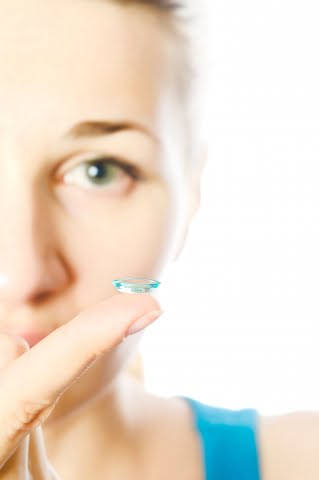
Do You Know What To Do & What Not To Do With Your Contact Lenses? Are you ready to ditch your glasses and get contact lenses in Langley? Get off on the right foot by visiting your optometrist at Vision Care Centre. Not only can we provide you with a thorough eye exam, but we can also evaluate your suitability for wearing contact lenses. Today, we’re going to take a look at some of the do’s and don’ts when it comes to contact lenses. What You Should Do With Your Contact Lenses Wash and dry your hands thoroughly before touching your contact lenses. Only clean your contact lenses as directed by your optometrist. Use the proper storage cases to store your contact lenses when you aren’t wearing them. Only use a fresh contact lens solution to clean and store your lenses. Follow the recommended contact lens schedule for replacement. Remove your contact lenses before getting into a hot tub or going swimming. See your optometrist on a regular basis. What You Shouldn’t Do With Your Contact Lenses Don’t use cream soaps to clean your lenses. Don’t use saline solutions that are homemade. Don’t use tap water to wash or store your lenses. Never put your contact lenses in your mouth or use saliva to moisten them. Never share your contact lenses with other people. Don’t use products that are not recommended by your optometrist to clean or disinfect your lenses. Never sleep in your contact lenses if they’ve been exposed to a lake, pool, ocean, hot tub, or any other source of water that may contain bacteria. Are you...
by BreezeMaxWeb | Mar 30, 2016 | Eye Doctor, Eye Exam
There are many ways to help protect your vision and keep seeing the world sharp and clear. Eating healthy is one way to be proactive about your vision health. A diet full of dark, leafy greens and high in omega-3 fatty acids has been shown to help prevent macular degeneration. Taking the time to rest your eyes when working on a computer, even for just 20-seconds at a time can reduce eyestrain and headaches. But the number one way to protect your eyes is to get regular eye exams. Visiting your local optometrist every year can help detect and treat slight changes in your vision, cataracts, diabetic retinopathy, and headaches to name a few. During your eye exam, the doctor will check your vision, diagnosis any correction needed, and do a dilated eye exam. This allows the eye doctor to understand how you are seeing and to look for any internal problems related to your eye health. Diseases like glaucoma, macular degeneration, and optic nerve abnormalities do not have warning signs and the only way to check to see if your eye is healthy is through dilation. Dilation forces the pupil of your eye to open wider than normal allowing the eye doctor to have a better field of view of the blood vessels and any contributing causes to abnormal vision. An eye exam is an affordable, painless way to guarantee your vision is in pristine health and make any eye care changes needed to maintain your vision for years to come. Make your yearly appointment...
by BreezeMaxWeb | Mar 26, 2016 | Optometrist Langley
No one would go years without putting oil in their car, or checking their house for leaky plumbing, yet when it comes to our health we often ignore preventative maintenance. On a list of essential healthcare professionals, optometrists are almost always down near the bottom. This is unfortunate, as your eye doctor is your first line of defense against declining eyesight later in life. If you can’t remember the last time you had your eyes checked, here are some things you should know. Everyone Needs An Optometrist Most people only think about going to the eye doctor when they notice a problem with their vision, but few realize that the key to avoiding vision problems is regular check-ups. Even if you were told 15 years ago that you have 20/20 vision, you still need annual eye exams to catch general health conditions, like diabetes, before they cause significant damage. Sunglasses Are NOT Optional It’s easy to remember sunglasses when you’re hanging out at the beach all day, but did you know sunglasses should be worn almost every time you leave the house? The UVA and UVB protection provided by high-quality sunglasses or transition lenses can prevent cataract growth and protect against macular degeneration. These threats don’t disappear just because the weather is cold! Smoking Is Detrimental To Your Eyesight There are thousands of reasons to stop smoking, but not everyone realizes that vision impairment is one of them. Smoking cigarettes drastically increases your risk for eye conditions like cataracts and age-related macular degeneration later in life. If it’s been more than two years since your last eye exam, don’t...
by BreezeMaxWeb | Mar 23, 2016 | Contact Lenses Langley, Eye Doctor
If you wear contact lenses to correct your vision, you probably only think about them twice a day: In the morning when you’re putting them in, and at night when you’re taking them out. It’s important to realize that there are lots of environmental factors that put your lenses at risk, however, especially in the summer. As you prepare for warmer weather, keep these eyecare warnings in mind. Swimming Swimming in a chlorinated pool can dry your contacts significantly while keeping them on in an open body of water dramatically increases the risk for infection and contamination by waterborne organisms. If you don’t already wear disposable lenses, you may want to ask your Vision Care Centre doctor about purchasing a few pairs for the summer. Then, after you go swimming, just toss the lenses and put them in a clean pair! Air Conditioning When you’re hot and sweaty, air conditioning feels great on your skin, but it’s actually very hard on your contacts. Air-conditioned environments are extremely dry which can make contacts extremely uncomfortable. The solution is to carry around a bottle of contact-approved rewetting drops that will help your eyes maintain a healthy level of moisture. Seasonal Allergies Many people battle seasonal allergies, but did you know that your contacts could be making symptoms worse? Allergens and pollutants in the air can settle on the lenses. When allergies strike, we often run our itchy, watery eyes for relief. This only agitates the debris on the lenses and makes everything worse look at this now. Keep a pair of backup glasses handy and swap them for contacts on days...



Recent Comments