by BreezeMaxWeb | Jan 19, 2017 | Eye Clinic Langley, Eye Doctor
The holiday season is almost over. For some, now comes the more challenging season of New Year’s resolutions. Most will choose to spend more time with family, to get outside more, or to exercise more. All of these resolutions are noble and will be worth the effort. If you haven’t chosen a new year’s resolution, consider this: eat better for your eyes. As adults, when eyesight has evened out, you may have glasses or contact lenses, or you might have great vision; either way, you can prevent vision from deteriorating or from becoming worse. Rather than telling you what to eat, we will change it up a little bit, and tell you what foods to avoid. Our eyes are full of blood vessels, so foods that are also good to avoid for heart health should also be avoided to keep your eyes healthy. Margarine and Vegetable Oils Condiments often have ingredients that have negative impacts on your body. Mayonnaise, salad dressing, or jelly, all have either a high-fat content or high sugar content. Also, foods that have margarine or vegetable oils and are man-made should be avoided. Foods that are high in polyunsaturated fats will oxidize in your body and can lead to inflammation and may even cause clogged arteries. Fried Foods Avoiding foods with vegetable oils means avoiding fried foods because that is how they are made. Canola oil, commonly used to fry foods, is a genetically modified product that can also lead to clogged arteries. Fried foods can also cause plaque to build up which can lead to high blood pressure, also a danger to your eyes....

by BreezeMaxWeb | Nov 18, 2016 | Eye Clinic Langley, Eye Doctor
Diabetes is a complicated disease and affects all sorts of functions within the body. From foot problems to damaged blood vessels to cataracts and glaucoma in the eyes. The eyes are a powerful and obviously an incredibly important organ in your body, so it is important to have regular eye exams when you have diabetes. Read on to learn more about what problems can occur in the eyes that are caused by diabetes. At Vision Care Centre in Langley, we want to give you the best eye care possible, and that includes detecting eye problems related to diabetes. Diabetic Retinopathy This eye condition affects the blood vessels in the retina, which is a light-sensitive tissue in the back of the eye. This is the most common eye disease that impairs vision and can cause cancer in people who have diabetes. The biggest symptom of diabetes is high blood sugar and this is known to damage tiny blood vessels located in the retina, which leads to diabetic retinopathy. Sending signals through the optic nerve to the brain, the retina detects light and converts it to these signals. With diabetic retinopathy, these blood vessels can leak fluid or hemorrhage, which causes distorted vision. This disease progresses by the blood vessels becoming more and more damaged. First losing the ability to transport blood, then new blood vessels grow, but are weak, thin, and have a high chance of leaking. Scar tissue eventually forms causing the retina to become detached which can cause permanent vision loss. People with diabetes type one and two are at risk for diabetic retinopathy, but the longer one...
by BreezeMaxWeb | Oct 5, 2016 | Eye Clinic Langley, Eye Doctor
More than 11 million people in the United States have some form of macular degeneration. This is a serious and potentially blinding eye condition that primarily affects people over the age of 60. What, exactly, is it? What are the warning signs? And can it be treated by our eye clinic in Langley? Let’s take a closer look at macular degeneration. What Is Macular Degeneration? Macular degeneration affects a part of the eye known as the macula. The macula is a visible area of the retina in the back of your eye that’s responsible for your sharpest vision. This area allows you to see objects that are straight ahead of you. The loss of the macula can inhibit your ability to do activities such as read or drive your car, although you may still retain some of your peripheral vision. Macular degeneration is the deterioration of this area of the retina. What Causes It? No one really knows what causes macular degeneration, but there are some factors that can make you more at risk. Age is the biggest risk factor; people over the age of 60 are at the highest risk and will want to be screened for the condition when they visit our eye clinic in Langley. Smoking doubles your risk of developing macular degeneration. You may be at higher risk if the condition runs in your family, too. What Are the Warning Signs? People who develop macular degeneration don’t experience pain; this is a pain-free eye condition. They may, however, experience unusual symptoms with their sight. This includes text appearing blurry when you look at it or...
by BreezeMaxWeb | Jun 25, 2016 | Eye Doctor, Eye Exam
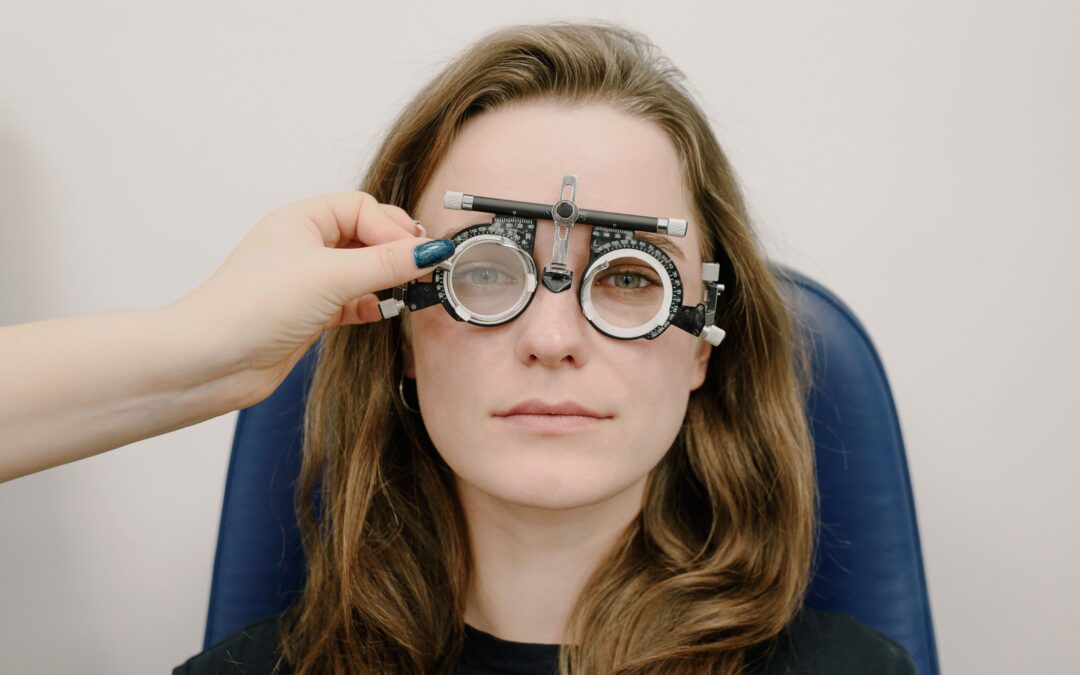
We all have long lists of things we need to do in order to stay healthy. We visit the dentist twice a year, take multivitamins every morning, commit to exercise routines and nutritious diets, and much more. With so much to constantly think about, it can be too easy to let certain things slip through the cracks, especially seeing your optometrist on a regular basis. Typically, it is recommended that you get an eye exam at least once a year, especially if you’re over the age of forty or are a contact lens wearer. Keep reading to discover the importance of having regular eye exams. The Importance of Regular Eye Exams Accurate Prescription When you consider the purpose of an eye exam, your first thought is likely to get an accurate prescription to improve your poor vision, and this is definitely an important aspect of an appointment with your optometrist. Only a professional optometrist is going to be able to provide you with an accurate prescription, whether you suffer from nearsightedness, farsightedness, or astigmatism. Check for Common Eye Conditions Besides the obvious purpose of providing patients with accurate prescriptions, optometrists also check your eyes for other common eye conditions. During your eye exam, your optometrist will be keeping an eye out for the signs of the following conditions. Cataracts The lenses in your eyes are made up of water and proteins, which allow light to pass through and create a clear image. These proteins can begin to clump together over time (this is a common effect of aging), causing part of the lens to cloud over. These clumps of...
by BreezeMaxWeb | Jun 15, 2016 | Eye Clinic Langley, Eye Doctor
We’ve all heard about carrots and their benefits for eye health, but upping your carrot intake isn’t the only way you can promote healthy eyes. In fact, there are many foods you should be putting before carrots to keep your eyes healthy and your vision clear for years to come. Keep reading to learn about the other nutritious foods you can be eating to promote your eye health. 5 Foods For Eye Health Leafy Greens Leafy greens like kale and spinach are powerful antioxidants that contain lutein and zeaxanthin, both of which have been shown in studies to prevent or at least slow the onset of macular degeneration as well as cataracts. Berries & Citrus Fruits Citrus fruits and berries are packed with vitamin C, which is one of the top antioxidants we get from our food. The benefits of vitamin C mirror those of leafy greens, as they may help protect against macular degeneration and cataracts. Eggs In case the protein wasn’t enough of a benefit, eggs also provide our bodies with lutein and zeaxanthin, which help lower the risk of macular degeneration and cataracts. Eggs also contain vitamin A, which may protect your eyes against night blindness. Nuts When vitamins C and E work together in our bodies, they help promote optimal eye health by keeping healthy tissue nice and strong. Add more vitamin E to your diet with nuts such a almonds and pecans. Sunflower seeds, vegetable oils, and wheat germ are all also good sources of this vitamin. Fish Consuming omega-3 fatty acids either by eating fish or via supplementation will promote eye health...
by BreezeMaxWeb | Jun 9, 2016 | Eye Doctor, Eye Exam
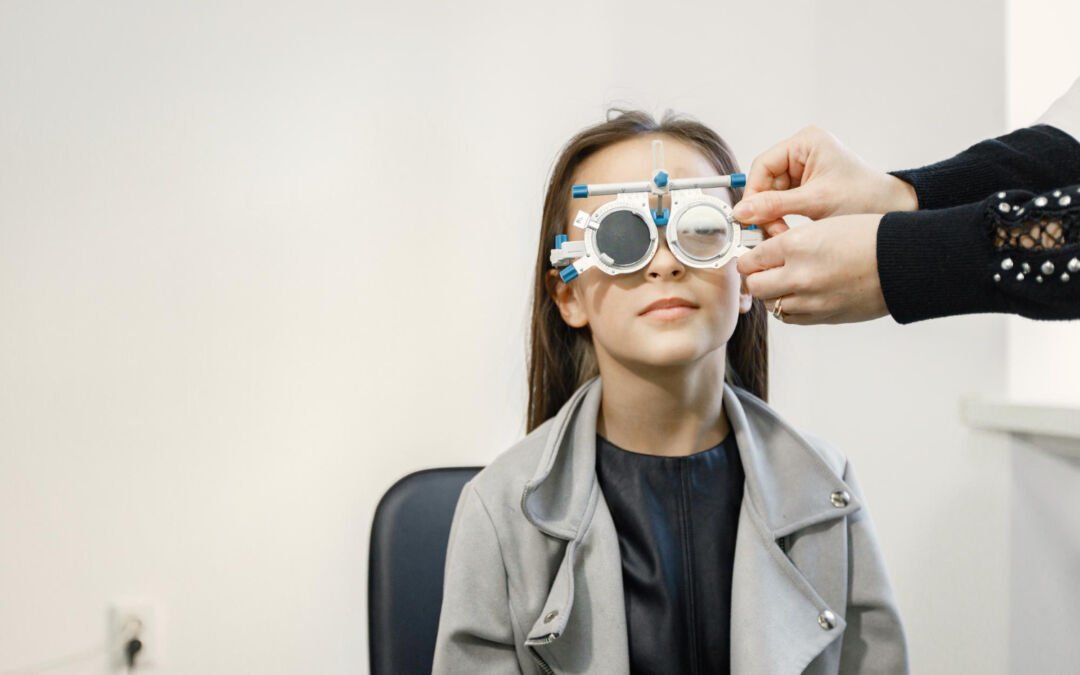
If you’re nervous about going in for an eye exam, we’ve got good news for you- you’re not alone! Millions of people around the world suffer from anxiety over taking a trip to the eye clinic. Making sure that you regularly schedule an eye exam for yourself is one of the more important things you can do. It’s doubly important if you have a family history with a particular eye problem. At Vision Care Centre of Langley, we know that having an eye exam can be a cause of stress for many people and that’s why we’d like to provide you with five things to keep in mind before you schedule a visit to the eye clinic. Your Pre- Eye Exam Checklist When you call to schedule an appointment for an eye exam, be sure to mention any specific problems you might be having. It can help your doctor to assess your situation and come up with some suggestions for you. If you have a current prescription for eyeglasses, be sure to write it down and bring it with you. It’s also a good idea to bring a list of any medications that you are taking with you to your appointment, so be sure to write those down also. Check with your family members to see if there is a history of any particular eye or vision issues as well. Plan accordingly for the length of time your eye exam will take; typically, eye exams last less than an hour. Schedule a visit...



Recent Comments